YouTube has always been the platform of big ideas — long videos, full tutorials, powerful storytelling, and content that lives forever. But creators also wanted something lighter, something quick, something spontaneous. A small space to share moments that didn’t need heavy editing or a strict upload schedule.
That’s why YouTube Stories existed.
And even though the feature is gone today, the curiosity around it is bigger than ever. Creators still search for it, ask about it, and wonder what made it different.
This guide explains what YouTube Stories actually were, how creators used them, why YouTube removed them, and how you can recreate the same energy using today’s features.
Let’s break it all down in simple, clear, creator-friendly language.
What Exactly Were YouTube Stories?
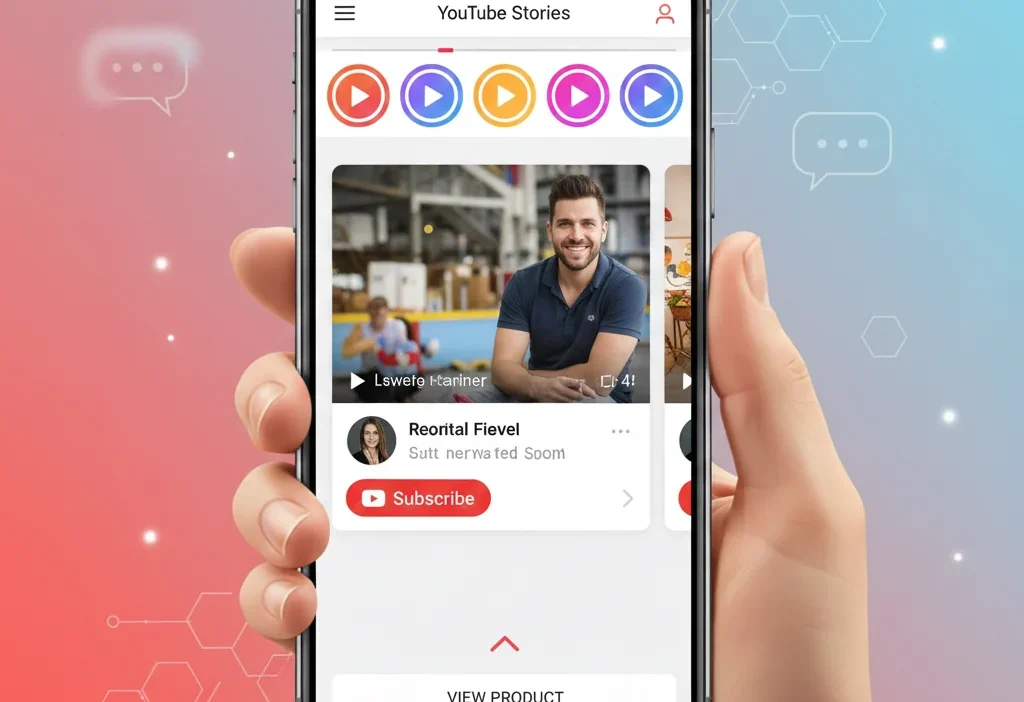
YouTube Stories were short, vertical, temporary videos that creators with 10,000+ subscribers could post directly from the YouTube mobile app.
They stayed visible for seven days, giving creators a relaxed place to share quick updates without filming a full video or editing a Short.
Creators used them to show:
- Moments from daily life
- Behind-the-scenes clips
- Quick reactions
- Teasers for upcoming videos
- Personal, casual messages
They were designed to feel light, raw, and human — the opposite of polished long-form content.
Why YouTube Introduced Stories
YouTube introduced Stories to help creators connect with their audience more often. Instead of waiting days to upload videos, creators could show small pieces of their lives instantly.
Stories allowed creators to:
- Stay active without producing full videos
- Test ideas before making bigger content
- Answer viewer questions casually
- Share off-the-cuff thoughts
- Warm up the audience before premieres
In simple words, Stories were meant to make creators present, not perfect.
How YouTube Stories Worked (with Better Detail)
Although the feature is gone, most users still want to know how it worked in practice. Here’s a deeper breakdown:
1. Posting a Story
Creators opened the YouTube app → tapped the camera icon → selected “Story.”
They could record multiple clips, each up to 15 seconds, and combine them.
2. Editing Tools
Stories came with simple tools:
- Text overlays
- Filters
- Stickers
- Music snippets
- Links to other videos
- Comment replies
It wasn’t fancy, but that was the point — fast and effortless.
3. Visibility
Stories appeared:
- On the creator’s channel page
- In the YouTube mobile app’s story ring
- In the subscription feed
- In viewer recommendations for active audiences
Viewers interacted by leaving comments, which creators could respond to directly inside the Story.
4. Expiration
Unlike regular YouTube videos, Stories deleted themselves after seven days, keeping things fresh.
Why YouTube Removed Stories
The biggest reason was simple:
Shorts became far more successful.
Shorts beat Stories in every category that matters:
- Views
- Engagement
- Discoverability
- Algorithm support
- Reach beyond subscribers
- Viral potential
Stories were only visible to subscribers, while Shorts reached the entire platform — from millions of impressions to global search results.
So YouTube shifted its focus. Instead of splitting attention between two similar formats, it invested fully in Shorts.
Why People Still Search for “YouTube Stories”
Even though the feature is gone, the keyword remains popular because:
- New creators never got to use Stories
- Old tutorials still appear in search results
- People assume every social platform should have stories
- Creators want simple, low-pressure tools
- Many missed YouTube’s announcement
In short: the need for casual, disposable content still exists — even if Stories do not.
Real Examples of How Creators Used Stories
To make the idea clearer, here are realistic cases from different types of creators:
1. Gaming Creators
They used Stories to share daily clips, quick updates, or reactions without editing full highlight videos.
2. Beauty & Lifestyle Creators
They posted behind-the-scenes content, new product teasers, or small updates from their daily routines.
3. Educational Channels
They updated viewers about upcoming tutorials, class schedules, or fun facts that didn’t need full videos.
4. Travel Vloggers
Stories were perfect for showing real-time moments on trips before the final vlog was edited.
5. Musicians
Many used Stories to share studio snippets, lyric previews, jam sessions, or rehearsal clips.
This kind of content helped audiences feel closer to their favorite creators — even with no video upload planned.
The Benefits Stories Used to Offer
Even though the feature is retired, it’s useful to understand why creators liked it:
1. Easy and Fast
No editing, no lighting setup, no pressure — just record and post.
2. Strong Community Connection
Stories made creators feel human and accessible.
3. Casual Promotion
Creators shared new uploads, merch, livestream reminders, or events without creating a full promotional video.
4. Good Engagement
Stories encouraged casual comments and real-time interactions.
The Downsides of YouTube Stories
Stories also had serious limitations:
- Only available above 10k subscribers
- Expired too quickly
- Not visible on desktop
- Never fully integrated into YouTube search
- No real discoverability outside the subscriber base
- Limited editing
These weaknesses made it hard for Stories to compete with fast-growing short-form platforms.
The Best Alternatives to YouTube Stories in 2025
If you want the same style of quick, personal updates, these features work even better:
1. YouTube Shorts
Think of Shorts as the modern evolution of Stories:
- Permanent
- Global reach
- Full algorithm support
- Viral potential
A 10-second, casual, behind-the-scenes Short now performs better than any Story ever did.
2. YouTube Community Posts
The closest feature to Stories today.
Creators can post:
- Photos
- Text
- Polls
- GIFs
- Quick updates
- Video links
They appear directly in users’ feeds.
3. YouTube Live Mini-Segments
Short live streams (5–10 minutes) work like real-time Stories:
- Quick engagement
- Direct interaction
- Casual atmosphere
4. BTS Clips Inside Long Videos
Some creators simply include spontaneous clips inside their main uploads — keeping things personal and natural.
How to Recreate the “Stories Style” Today
You can still keep your content casual and spontaneous by:
- Posting raw, unedited Shorts
- Using Community Posts daily
- Sharing quick voice notes or thoughts through video
- Adding behind-the-scenes content to vlogs
- Using polls to spark conversations
- Creating short daily updates instead of big uploads
The idea is the same: stay visible, stay human, stay connected.
FAQs About YouTube Stories
1. Are YouTube Stories still available?
No. YouTube removed the feature and replaced it with stronger tools like Shorts and Community Posts.
2. Why did YouTube remove Stories?
Shorts outperformed Stories in engagement, discoverability, and overall creator success.
3. What is the best modern replacement for Stories?
For video: Shorts.
For updates: Community Posts.
4. Could Stories return in the future?
It’s unlikely, since Shorts already cover the same purpose with better results.
5. Did Stories help grow a channel?
They helped with community bonding, but Shorts are far more effective for growth.
Conclusion
YouTube Stories may be gone, but their purpose lives on. Creators still crave fast, low-pressure ways to connect with audiences — and YouTube has simply evolved with better tools.
Shorts bring reach.
Community Posts bring intimacy.
Live brings real-time communication.
Together, they offer everything Stories once did — but stronger, faster, and with far more long-term value.