Some stories never make it to the page. They live quietly inside people’s hearts — stories of love that faded before it began, of courage that never found applause, of dreams that died softly without ever being spoken. These are the stories untold — fragments of human experience hidden beneath everyday smiles.
In every person you meet, there lies an untold story, waiting for the right moment or the right listener. And in 2025, as storytelling becomes more digital, more filtered, and more public, the need to acknowledge these unheard voices has never been greater.
What “Stories Untold” Really Means
The phrase “Stories Untold” symbolizes the emotions, memories, and experiences that remain unspoken. It reflects the moments we choose not to share — out of fear, shame, pain, or sometimes, simply because no one asked.

The Beauty of Hidden Stories
Not every story needs to be public. Some find their magic in being private. Hidden stories often shape us the most — they build empathy, patience, and understanding.
Why We Keep Stories Untold
- Fear of judgment
- Fear of being misunderstood
- Emotional protection
- Cultural silence around vulnerability
But even in silence, these stories shape who we are. They influence our choices, our art, our relationships — everything.
Untold Stories in Everyday Life
You don’t need to look far to find untold stories. They exist everywhere:
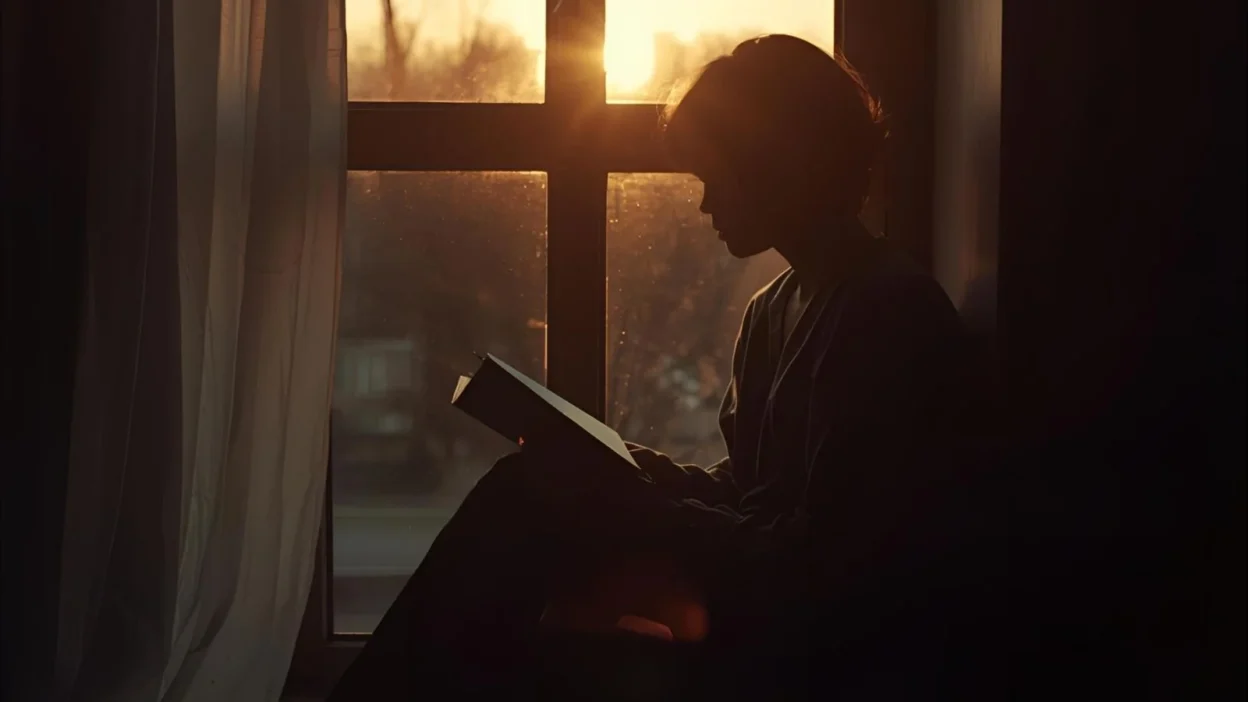
- The quiet girl who paints at midnight.
- The old man sitting alone at the park, smiling at memories.
- The mother who hides her struggles to protect her children.
- The friend who always listens but never shares.
Every person carries a world within them — filled with emotions, lessons, and unspoken beauty. These silent narratives connect us all.
Why Telling Untold Stories Matters
When someone finally shares their story, healing begins — both for the teller and the listener. Speaking your truth gives strength, and hearing others’ stories builds compassion.
In today’s fast-paced, filtered world, authentic storytelling has become rare. But truth still has power. A single personal story can touch hearts more deeply than a thousand curated posts.
The Healing Power of Expression
- Sharing personal experiences releases emotional weight.
- It helps others who may be going through the same pain.
- It transforms pain into purpose.
Modern Ways of Sharing Untold Stories
The digital world has given everyone a voice — from blogs and podcasts to short films and social media journals. Yet, not every voice is heard.
To share your story authentically:
- Write honestly — Don’t edit out emotion.
- Speak vulnerably — Strength lives in softness.
- Create safely — Share in spaces that respect your experience.
- Listen deeply — Give others the same space you wish for yourself.
Forms of Storytelling That Preserve Truth
- Personal blogs
- Memoirs
- Spoken-word performances
- Documentary films
- Visual art & photography
The Silence That Speaks
Sometimes, the story isn’t told because it can’t be. Trauma, grief, or loss may silence a person — yet even silence tells something. A quiet presence, a tear, or a moment of pause carries meaning beyond words.
In many ways, silence becomes its own story — one that the heart understands, even when the mouth refuses to speak.
Learning to Listen to the Unsaid
Real empathy isn’t about responding. It’s about understanding the quiet. When we learn to hear what’s unspoken, we build stronger emotional bonds with others.
Your Story Deserves to Be Heard
Everyone has a story worth telling — no matter how small it seems. What you’ve lived through could be the lifeline someone else needs.
You don’t need to be a writer, poet, or speaker to tell your story. You just need to be real.
Start where you are. Speak from the heart. Someone, somewhere, is waiting to hear your voice.
FAQs About “Stories Untold”
1. What does the phrase “Stories Untold” mean?
It refers to personal experiences, emotions, or events that people never share — often because they’re too painful, private, or overlooked.
2. Why are some stories never told?
People often keep stories untold due to fear of judgment, lack of support, or emotional pain. Sometimes, they simply don’t find the right listener.
3. How can I share my untold story safely?
Use journaling, online storytelling platforms, therapy sessions, or private communities. Always share where you feel emotionally secure.
4. Why is it important to tell personal stories?
Because sharing our truth brings healing, builds connection, and inspires others who may be struggling silently.
5. Can untold stories inspire creativity?
Absolutely. Many great works of art, poetry, and film are born from experiences that were once unspoken. Pain, when expressed through art, becomes beauty.
Conclusion: Let the Silence Speak
“Stories Untold” reminds us that behind every smile, every quiet gaze, lies a world we may never fully know. By honoring these silent stories — ours and others’ — we learn empathy, humanity, and the courage to be real.
Your story matters. Whether whispered, written, painted, or simply felt — it deserves a place in the world.