
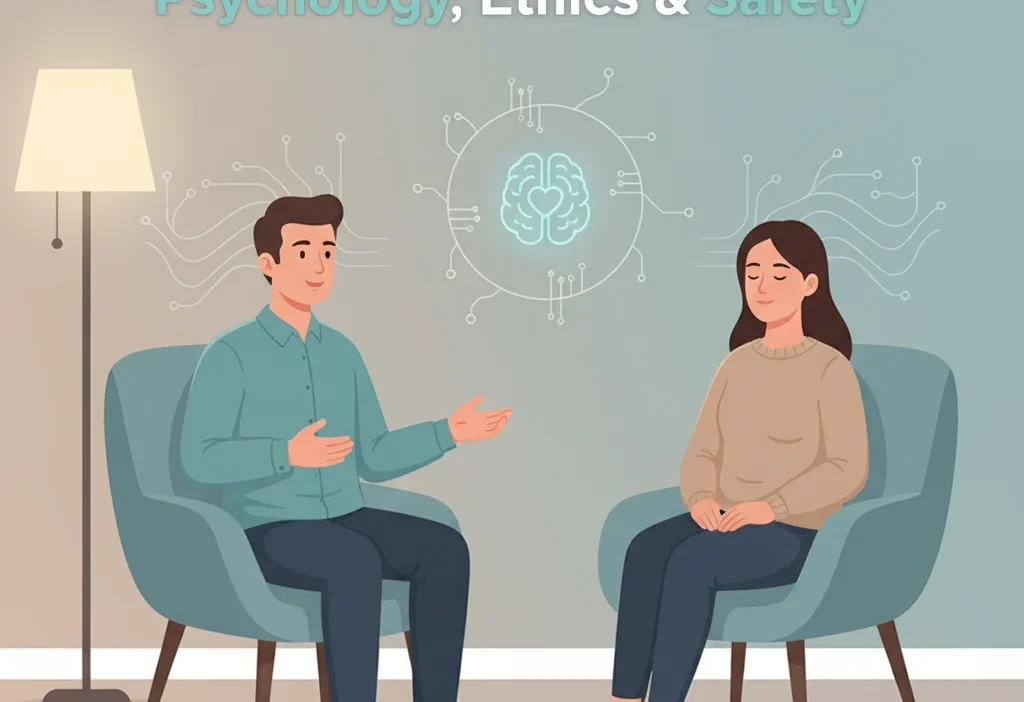
Have you ever heard the term “erotic hypnosis” and wondered what it actually means? While it might sound mysterious or even controversial, the truth is that it’s deeply rooted in psychology, communication, and consent.
In recent years, erotic hypnosis has gained attention across online communities, therapy discussions, and relationship circles. But most people misunderstand what it truly involves. This guide explores its scientific background, psychological effects, ethical boundaries, and safety considerations — all through an educational, non-explicit lens.
By the end, you’ll understand not only what erotic hypnosis is, but also how it works, how to approach it safely, and why open communication and consent are essential.
What Is Erotic Hypnosis?
Erotic hypnosis is the use of guided hypnotic techniques to enhance relaxation, imagination, and emotional connection, often within a consensual relationship context.
Unlike stage hypnosis or therapeutic hypnosis used by licensed psychologists, erotic hypnosis focuses on psychological intimacy rather than physical acts.
In simple terms:
Erotic hypnosis involves using focused attention, suggestion, and relaxation to deepen trust and connection between partners — always with mutual consent and emotional safety.
This makes it more of a psychological and relational experience than a purely physical one.
The Psychology Behind Hypnosis
To understand erotic hypnosis, it helps to know what hypnosis actually is.
According to the American Psychological Association (APA), hypnosis is “a cooperative interaction in which the participant responds to the suggestions of the hypnotist.” In this state, a person becomes more focused, relaxed, and open to suggestion, but never loses awareness or control.
The brain’s alpha and theta wave activity increases during hypnosis, creating a semi-meditative state similar to daydreaming. This heightened focus can make visualization and emotional connection more vivid.
When used ethically in a relational setting, these psychological effects can promote:
- Calmness and relaxation
- Heightened emotional awareness
- Increased communication and empathy
- Deeper trust between partners
The key takeaway: hypnosis is not mind control. It’s a voluntary mental state that depends on cooperation and trust.
How Erotic Hypnosis Differs from Traditional Hypnosis
| Aspect | Therapeutic Hypnosis | Erotic Hypnosis (Consensual Context) |
|---|---|---|
| Purpose | Treat anxiety, phobias, pain management | Deepen connection, explore intimacy safely |
| Setting | Clinical, led by licensed therapist | Private, between consenting adults |
| Focus | Healing or behavior change | Emotional connection and guided imagination |
| Ethics | Governed by medical boards | Must follow strict consent boundaries |
| Risk Level | Low (professional oversight) | Moderate (depends on communication & respect) |
While both share similar techniques, intent and ethical practice make all the difference.
The Role of Consent and Communication
The foundation of erotic hypnosis — and any form of intimacy — is clear, ongoing consent.
According to relationship counselors and the National Health Service (NHS), consent isn’t a one-time statement. It must be informed, enthusiastic, and reversible.
Before exploring hypnosis in any relationship, partners should discuss:
- Boundaries: What is and isn’t comfortable
- Safety words: Agreed cues to pause or stop immediately
- Expectations: Emotional goals rather than outcomes
- Aftercare: How to reconnect and reflect afterward
This isn’t just about safety — it’s about respecting autonomy and emotional well-being.
The Science of Suggestion: How the Mind Responds
Psychologists describe hypnosis as a state of heightened suggestibility. The mind becomes more open to positive ideas because analytical thinking is temporarily relaxed.
For example, when someone is guided into a calm state, their subconscious mind can visualize scenarios more vividly. This is why hypnosis is often used in therapy to manage pain, anxiety, or habits like smoking.
In a relational setting, the same mechanism can enhance emotional bonding and trust — as long as it’s used responsibly and never to manipulate or coerce.
The APA and Harvard Medical School’s Mind–Body Institute note that hypnosis works best when there’s mutual trust and emotional safety between participants.
Ethics: Respecting Psychological Boundaries
Because hypnosis involves suggestion, ethical use is critical. No one should ever use hypnotic techniques to bypass another person’s free will, consent, or emotional comfort.
According to mental health professionals, unethical hypnosis can lead to confusion, anxiety, or emotional distress — particularly if performed without consent or by someone untrained.
Ethical erotic hypnosis always includes:
- Mutual respect
- Honest communication
- Awareness of limits
- Immediate respect for “no” or “stop”
These principles echo the broader ethics of psychological and relationship health.
Common Myths About Erotic Hypnosis
Let’s clear up some popular misconceptions:
Myth 1: Hypnosis is mind control.
Fact: People under hypnosis are aware and cannot be forced to act against their will. It’s a cooperative process.
Myth 2: It’s unsafe or harmful.
Fact: When practiced with consent and respect, hypnosis is safe and supported by decades of psychological research.
Myth 3: It’s only about sex.
Fact: The primary focus is psychological — building trust, focus, and emotional intimacy.
Myth 4: Only professionals can use hypnosis.
Fact: While therapeutic hypnosis requires licensing, consensual guided relaxation or suggestion between adults is acceptable if done ethically.
How to Practice Hypnosis Safely in Relationships
Here’s how experts recommend approaching hypnosis within relationships safely and respectfully:
- Educate yourself first.
Read resources from the APA, Hypnosis Motivation Institute, or Psychology Today to understand the basics. - Start with simple relaxation exercises.
Breathing, mindfulness, or visualization before any suggestive language. - Use clear communication.
Discuss what’s comfortable, what’s off-limits, and how to check in regularly. - Establish boundaries and safewords.
Always prioritize the comfort of both participants. - Avoid suggestive or manipulative techniques if either person feels unsure.
- Engage in aftercare.
Reflect and reconnect emotionally after the session to ensure mutual well-being.
When approached thoughtfully, hypnosis can be a tool for connection, not control.
Psychological Benefits (When Done Responsibly)
Experts in psychology and relationship therapy suggest that ethical hypnosis can encourage:
- Relaxation and stress relief
- Improved communication
- Enhanced trust and empathy
- Emotional regulation
- Deeper awareness of body and mind connection
It’s important to remember that these benefits only occur when both people feel safe, respected, and in control.
Risks and When to Avoid It
While hypnosis is generally safe, certain individuals should avoid or approach it cautiously:
- Those with mental health conditions like dissociative disorders or schizophrenia
- Anyone who has experienced trauma that could be triggered by suggestion
- Situations where power imbalance exists (e.g., therapist–client, teacher–student)
When in doubt, consult a licensed psychologist or hypnotherapist before attempting any form of guided hypnosis.
FAQs About Erotic Hypnosis
What is erotic hypnosis used for?
It’s used to deepen relaxation, emotional intimacy, and communication between consenting adults in a relationship setting.
Is erotic hypnosis safe?
Yes, when practiced with clear consent, trust, and ethical boundaries, it can be safe. Without consent, it’s unethical and potentially harmful.
Can hypnosis make someone do things against their will?
No. People under hypnosis maintain awareness and control — it’s not mind control.
What are the psychological effects of hypnosis?
Increased focus, relaxation, and imagination, similar to meditation or guided visualization.
Do you need to be trained to do hypnosis?
For therapy — yes, professional training is required. For consensual guided relaxation, education and communication are key.
Can hypnosis replace therapy or medical treatment?
No. It’s not a substitute for licensed psychological care or treatment.
Conclusion
Erotic hypnosis, when understood correctly, isn’t about control or fantasy — it’s about communication, trust, and psychological awareness.
At its core, it’s the blending of hypnotic focus with relationship mindfulness, guided by consent and mutual respect.
If you’re curious about hypnosis, start with education, empathy, and ethical awareness. By focusing on trust and psychological safety, partners can explore deeper emotional connections responsibly and confidently.
Now that you know the psychology, ethics, and safety principles behind erotic hypnosis, you can approach the topic with clarity, confidence, and compassion.